
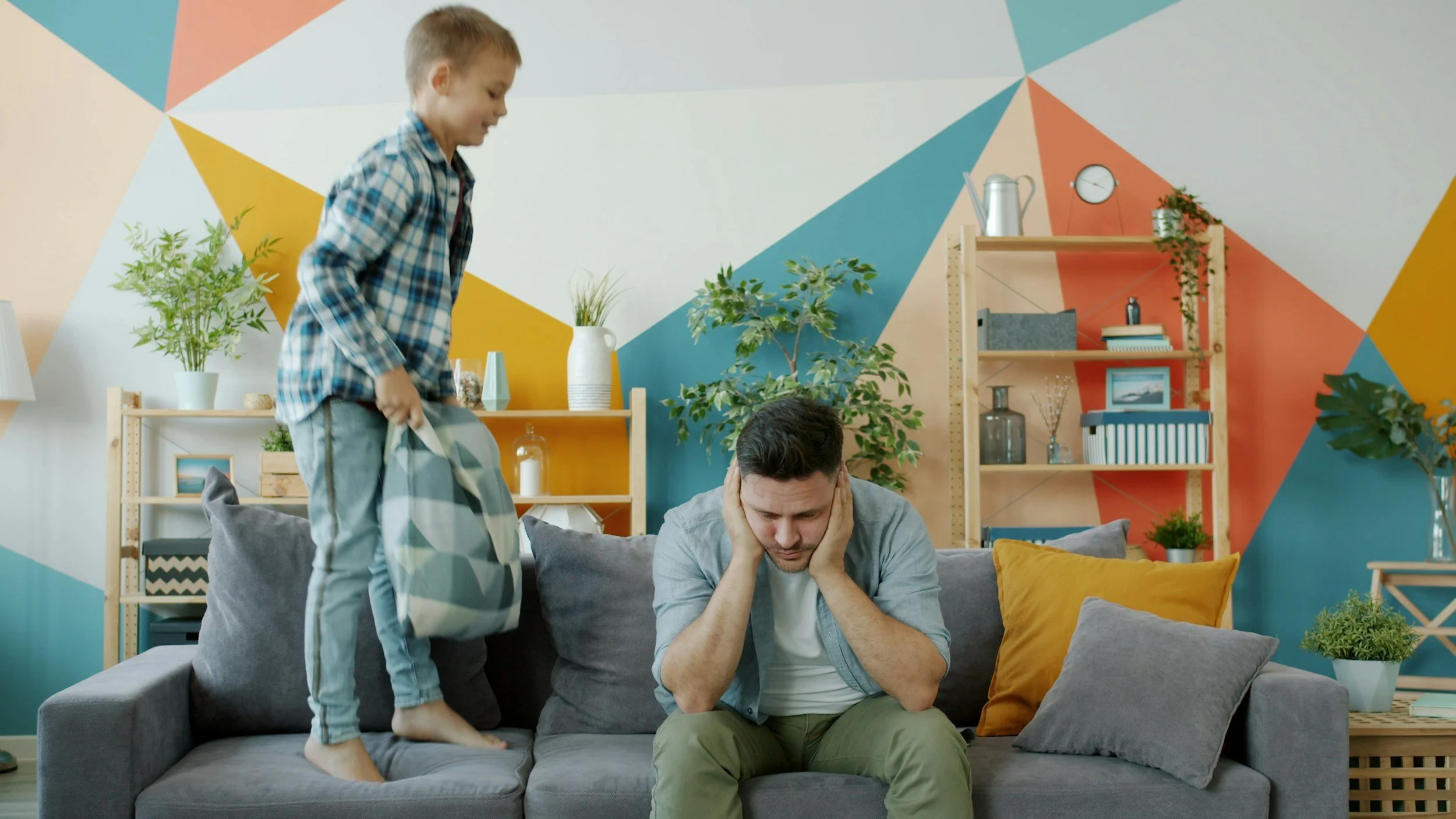
Behavior is its own language
Whether it's a child acting out, a teenager withdrawing, or an adult reacting in ways that don't feel like their best self, behaviors often tell a story about what a person is experiencing internally. When we look beyond the behavior itself and become curious about the emotions, needs, stressors, or experiences driving it, we gain a deeper understanding of the person rather than simply reacting to their actions.
Parents often share that they feel at a loss when trying to understand their child's behaviors—and that's completely understandable. Children don't always have the words, emotional awareness, or developmental skills to express what they are experiencing, so their feelings often emerge through their actions instead. Learning to "speak their language" means looking beyond the behavior to understand the message underneath it. At the same time, children benefit from clear, consistent boundaries that help them learn healthier and more effective ways to communicate their needs, emotions, and experiences. By combining understanding with structure, we can help children feel heard while building the skills they need to navigate challenges more successfully.
When emotions are intense, behaviors often speak louder than words. Couples can find themselves caught in cycles of criticism, defensiveness, or withdrawal, not because they don't care about one another, but because difficult emotions can make effective communication challenging. Understanding the emotions and needs beneath these reactions creates opportunities for greater connection, empathy, and healthier communication.
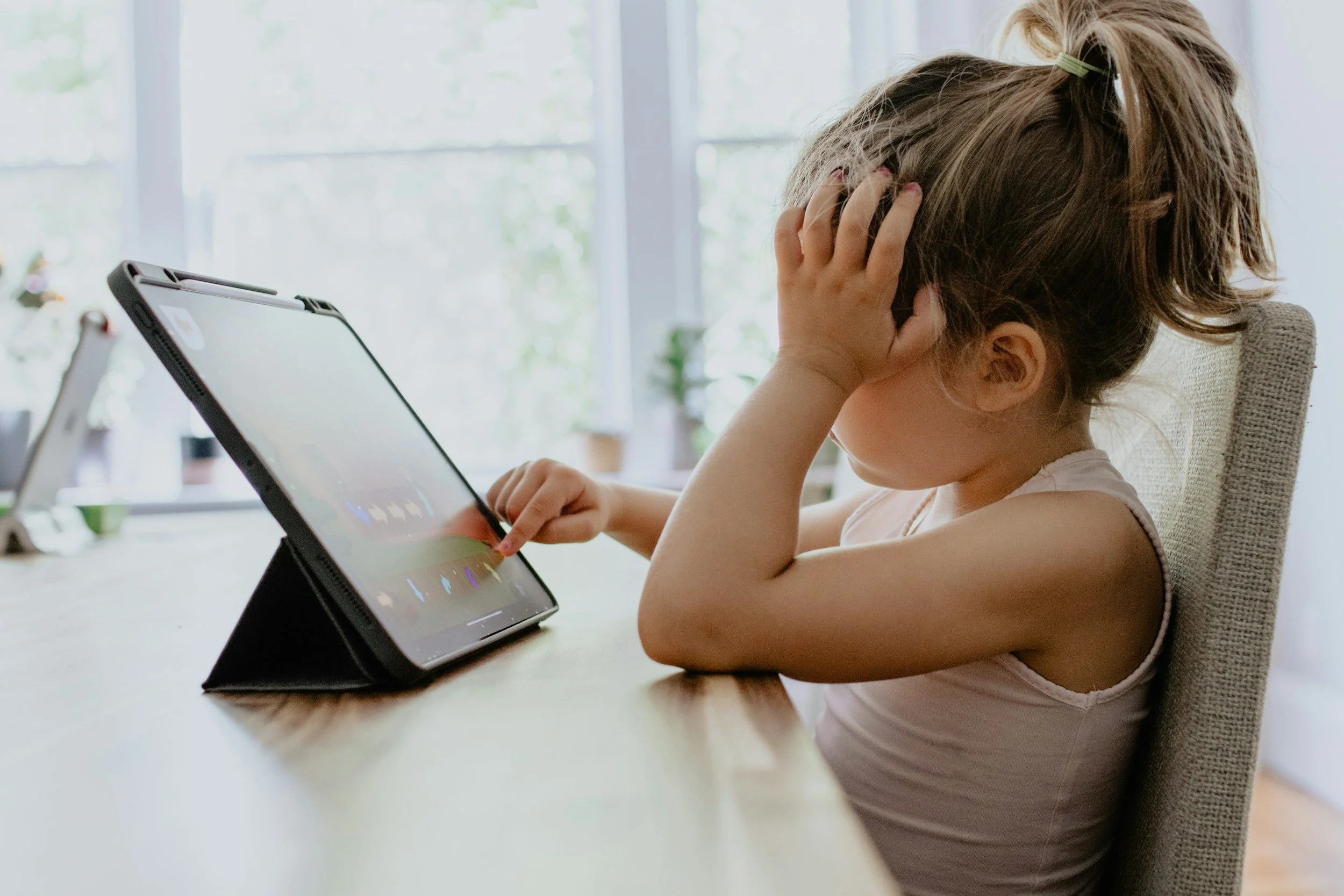
Screen Time
Screens are a part of everyday life, but finding the right balance can be challenging—especially during school breaks, holidays, and family gatherings. In this article, I share practical strategies for helping families create healthy screen habits while preserving opportunities for connection, play, and meaningful time together. Small, intentional changes can make a significant difference in supporting children's well-being and strengthening family relationships.